Procurement & Sourcing Guide: Carbon Fiber Price Bulk
In the realm of industrial materials, procuring carbon fiber fabric efficiently is a strategic priority. As the global market for carbon fiber is anticipated to expand by approximately 10% annually until 2026, driven by increasing applications in sectors like aerospace, automotive, and construction, procurement managers must stay informed on pricing dynamics and sourcing strategies. This guide provides insights into critical factors affecting carbon fiber price bulk, essential supplier evaluation criteria, and tactics for optimizing procurement processes. With over two decades of expertise and a comprehensive reach across more than 120 countries, Impact Materials Co., Ltd. offers valuable perspectives to enhance your sourcing decisions.
For detailed specifications and sourcing options, refer to this comprehensive guide on Impact Materials Co., Ltd. for more technical context.
Evaluating Carbon Fiber Fabric Pricing
Determining Key Price Factors
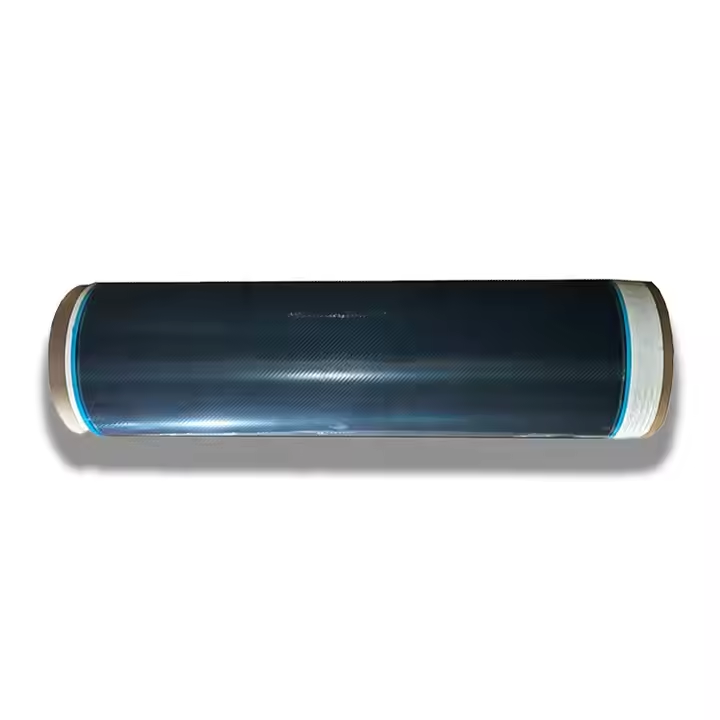
Carbon fiber fabric pricing ranges between $10 to $50 per meter, influenced primarily by factors such as fiber grade, weave type, and additional treatments. For example, the 3K Twill Carbon Fiber Fabric is favored in the automotive industry for its optimal strength and flexibility. Conversely, higher-grade materials are often selected by aerospace sectors to meet rigorous performance standards.
Emerging Market Developments
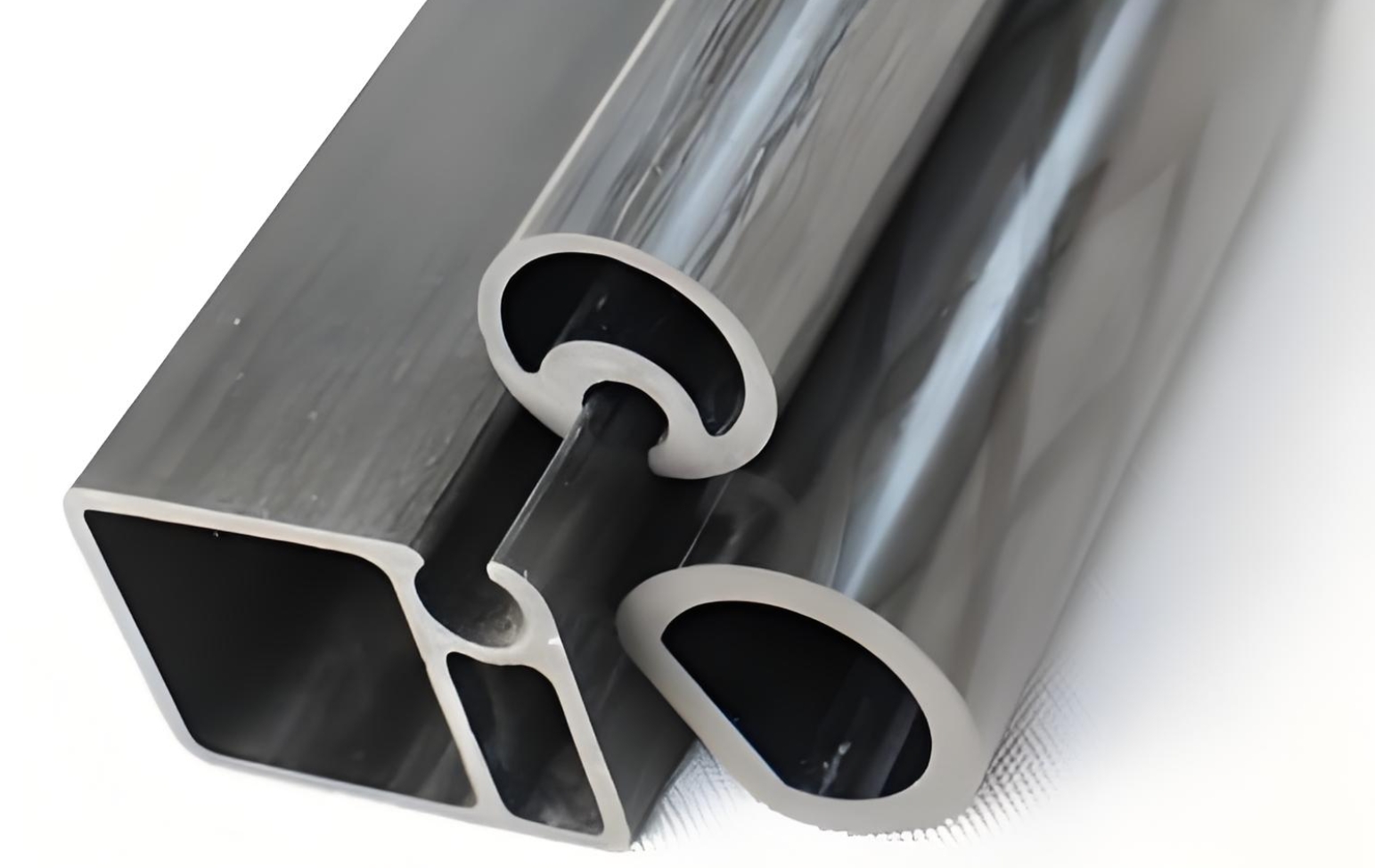
The carbon fiber market is poised for substantial growth, fueled by the evolution of manufacturing technologies and expanding industrial applications. Notably, demand is expected to surge in the construction sector and renewable energy projects, such as wind energy, where specialized materials like the Special Section Pultruded Carbon Fiber Rod are utilized for enhanced structural integrity.
Minimum Order Quantities: Impact and Negotiation
To benefit from bulk pricing, suppliers generally require a minimum order quantity (MOQ), typically beginning at 500 square meters. Meeting these MOQs allows suppliers like Impact Materials to streamline production, reducing costs. As a procurement manager, it’s vital to align MOQs with project scopes and forecasted needs to maximize cost-effectiveness.
Technical Specifications for Carbon Fiber
Critical Material Attributes
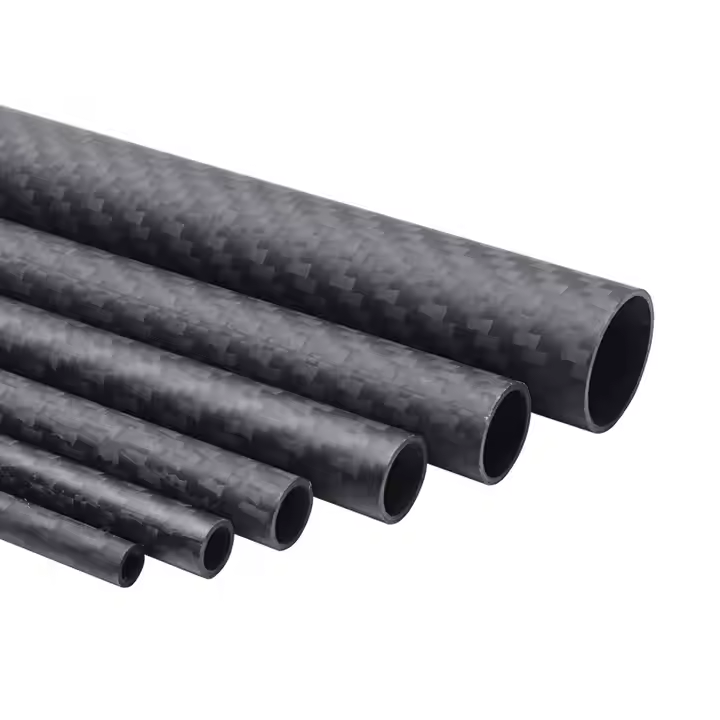
When sourcing carbon fiber fabrics, it’s essential to scrutinize specifications such as tensile strength, weight, and thermal resistance. For instance, a Customized Round CFRP Carbon Fiber Tube offers a robust strength-to-weight ratio, making it apt for aerospace applications. Tensile strengths can vary widely, from 500 MPa to over 1,500 MPa, based on the specific fiber grade and weave.
Adherence to Quality Standards
Ensuring compliance with international standards like ISO 14125 and ASTM D3039 is crucial for verifying material performance and safety. These standards evaluate properties such as flexural and tensile strengths. Products such as the Round Rod Carbon Composite Material from Impact Materials are crafted to meet or exceed these stringent requirements.
For more information on specific material properties, see specifications.
Application Suitability Overview
| Application | Tensile Strength (MPa) | Weight (g/m²) |
|---|---|---|
| Aerospace | 1,500 | 200 |
| Automotive | 1,000 | 300 |
| Construction | 800 | 400 |
| Renewable Energy | 1,200 | 250 |
Strategic Sourcing Tactics
Criteria for Supplier Evaluation
When selecting a supplier, it’s essential to assess their production capabilities, delivery timelines, and quality assurance processes. Consider suppliers with proven track records and those who can provide certification and compliance documents. A well-vetted supplier reduces risks associated with quality and supply chain disruptions.
Identifying Red Flags in Supplier Relationships
Be cautious of suppliers with inconsistent product quality or those unable to furnish required certifications. Prolonged lead times and inadequate communication channels can signal potential challenges. Regular supplier audits and performance reviews can help maintain high standards and identify areas for improvement.
Strategies for Cost Optimization
Cost optimization in carbon fiber procurement involves leveraging volume discounts through strategic ordering and fostering strong supplier partnerships. Evaluate the total cost of ownership, including logistics and storage, to identify additional savings opportunities. Building collaborative relationships with suppliers can also result in more favorable pricing and flexible terms.
For industry-leading solutions, visit Impact Materials for carbon fiber price bulk solutions.