Top 10 Carbon Fiber Fabric Manufacturers in China: Comparative Review
Selecting the right carbon fiber fabric supplier in China requires navigating a complex landscape of manufacturers ranging from large-scale state-backed enterprises to specialized private workshops. Procurement teams must balance factors including tensile strength consistency, weave precision, areal weight tolerance, MOQ flexibility, and lead time reliability. Drawing from extensive industry experience, this article delivers actionable guidance for buyers at every stage of the supplier evaluation process.
Understanding Carbon Fiber Fabric Manufacturing in China
China’s carbon fiber fabric industry has undergone a dramatic transformation over the past two decades. Early from China production focused primarily on low-cost, general-purpose reinforcement materials, but today’s leading manufacturers operate advanced weaving facilities capable of producing aerospace-grade textiles that compete directly with Japanese and European mills. The country’s production capacity has expanded from approximately 15,000 metric tons in 2015 to an estimated 95,000 metric tons in 2025, driven by heavy government investment in domestic carbon fiber precursor production.
PAN-Based Carbon Fiber Production Chain
The manufacturing process begins with polyacrylonitrile (PAN) precursor, which accounts for approximately 50% of total production cost. Chinese manufacturers have achieved significant breakthroughs in domestic PAN precursor quality, reducing reliance on imported Japanese precursor from Toray and Mitsubishi. The precursor undergoes stabilization at 200-300 degrees Celsius in air, followed by carbonization at 1,000-1,500 degrees Celsius in inert atmosphere, and optionally graphitization at 2,000-3,000 degrees Celsius for high-modulus grades. Post-carbonization, the fibers are sized with epoxy-compatible surface treatments before being wound onto creels for weaving.
Weaving Methods and Tow Construction
Chinese carbon fiber weaving mills primarily produce two weave patterns: plain weave and twill weave. Plain weave (1×1 interlock) presents greater dimensional stability and is preferred for flat panel applications where drapability is less critical. Twill weave (2×2 diagonal pattern) provides superior conformability and is the dominant choice for automotive, marine, and sporting goods applications. Tow counts range from 1K (1,000 filaments per tow) for ultra-fine cosmetic applications through 3K (the industry standard), 6K, 12K, and up to 48K for heavy industrial reinforcement. Areal weights commonly span 100-600 gsm, with 200g and 300g being the most commercially active specifications.
Production Scale and Regional Clusters
China’s carbon fiber weaving industry is concentrated in several key regions. Jiangsu province, especially around Nanjing and Suzhou, hosts many of the largest-scale operations with loom counts exceeding 200 units. Shandong province has emerged as a major hub for both precursor production and downstream weaving. Guangdong serves as the primary export gateway, with many manufacturers maintaining logistics centers in Shenzhen and Guangzhou for efficient container loading and international shipping. The geographic concentration enables strong local supply chains for sizing agents, epoxy resins, and packaging materials.
How to Evaluate and Qualify a mainland Carbon Fiber Manufacturer
The supplier qualification process is arguably the most critical step in establishing a successful China sourcing strategy. Based on our experience working with thousands of international buyers, we recommend a systematic evaluation framework that covers manufacturing capability, quality systems, communication effectiveness, and commercial reliability.
Factory Audit Checklist
- ISO 9001:2015 certification — verify the certificate is current and issued by an accredited registrar (CNAS, UKAS, or equivalent)
- Production equipment — confirm the number and model of looms (Dornier, Picanol, or equivalent brands indicate higher capability)
- In-house testing capability — check for universal testing machines (UTM) calibrated per ISO 7500-1, areal density measurement equipment, and microscopic inspection tools
- Cleanroom or controlled environment — critical for aerospace and medical-grade composite material handling
- Raw material sourcing — ask whether the manufacturer produces its own PAN precursor or purchases from third parties
- Batch traceability system — verify that each roll can be traced to a specific precursor lot, sizing batch, and weaving date
- Environmental compliance — check for ISO 14001 certification and proper waste treatment for carbonization byproducts
Sample Evaluation Protocol
Before committing to production orders, always request representative samples for in-house evaluation. A proper sample evaluation should include: visual inspection for weave uniformity and surface defects (use 10x magnification), areal weight verification at a least of five positions per sample, resin compatibility testing with your specific resin system, and cured laminate mechanical property testing per ASTM D3039 (tensile) and ASTM D2344 (short beam shear). Expect to pay for samples and freight — manufacturers who provide free samples for expensive specifications may cut corners elsewhere. At Impact Materials, we provide free sample kits with detailed technical datasheets for qualified buyers evaluating carbon fiber cloth for production applications.
Quality Control and Documentation
Qualified Chinese carbon fiber fabric manufacturers should provide the following documentation with each production order: Certificate of Analysis (COA) specifying fiber type, tow count, areal weight, weave pattern, and roll dimensions; material safety data sheet (MSDS); packing list with individual roll weights and lengths; and test reports for mechanical properties when specified. For aerospace or military applications, additional documentation such as First Article Inspection reports (FAI per AS9102), material certificates with heat/batch numbers, and shelf-life certification for prepreg products may be required. Establish clear acceptance criteria in your purchase agreement, including greatest allowable defects per square meter and specific test method references.
Key Industries Sourcing Carbon Fiber Cloth from China
from China carbon fiber fabric makers serve a diverse range of industries, each with distinct technical requirements and standard expectations. Understanding these application-specific demands helps procurement teams communicate effectively with potential suppliers and evaluate whether a manufacturer’s capabilities align with their needs.
Automotive and Electric Vehicles
The automotive sector represents one of the fastest-growing demand segments for Chinese carbon fiber fabric. Electric vehicle manufacturers increasingly specify carbon fiber for battery enclosure structures, roof panels, and interior trim components to offset the weight penalty of battery packs. For EV applications, carbon fiber fabric at 200-300gsm in twill weave is the dominant specification, often used with epoxy resin systems via high-pressure resin transfer molding (HP-RTM) or compression molding. Chinese manufacturers with automotive OEM experience generally maintain IATF 16949 certification and can provide PPAP documentation upon request.
Aerospace and Aviation
Aerospace procurement of carbon fiber fabric from China has historically been conservative due to stringent certification requirements, but the landscape is shifting rapidly. Interior panels, cabin interior components, and non-structural fairings are increasingly sourced from Chinese mills that hold AS9100D quality management certification and maintain Nadcap accreditation for composite processes. Aerospace-grade substance typically demands individual roll testing with full documentation including fiber lot traceability, cure cycle data, and C-scan ultrasonic inspection results. Impact Materials has supplied carbon fiber reinforcement materials to aerospace subcontractors across Asia and the Middle East for over 15 years.
Wind Energy and Renewable Power
Wind turbine blade manufacturing consumes large volumes of heavier carbon fiber fabrics, typically 300-600gsm in unidirectional, biaxial, or triaxial configurations. Chinese carbon fiber manufacturers have developed specialized multi-axial warp-knitting equipment capable of producing these technical textiles at speeds competitive with European specialists. The transition to longer turbine blades (80-120+ meters) has driven increasing demand for carbon fiber as a partial replacement for traditional fiberglass reinforcement, as carbon fiber’s higher specific stiffness enables thinner, lighter blade profiles that capture more energy.
Sporting Goods and Consumer Products
The sporting goods segment has been one of the earliest adopters of Chinese carbon fiber fabric, sourcing materials for bicycle frames, fishing rods, tennis rackets, golf club shafts, and helmets. This sector values consistent cosmetic appearance alongside mechanical performance, requiring manufacturers to maintain tight control over weaving defects, selvedge quality, and surface fuzz. MOQs for sporting goods applications tend to be lower (50-100 square meters), making Chinese suppliers particularly attractive for brands that require multiple color and pattern variations in smaller production runs.
Need a custom solution? Our technical experts are ready to help.
Logistics, MOQ, and Pricing Considerations
Understanding the commercial parameters of sourcing carbon fiber fabric from China is vital for accurate cost modeling and supply chain planning. The following practical guidance reflects current market conditions and typical vendor expectations.
Lowest Order Quantities
MOQs vary significantly based on specification, weave complexity, and manufacturer size. Standard 3K plain or twill weave fabrics at 200-300gsm typically carry MOQs of 50-100 square meters from established manufacturers. Specialty items such as colored carbon fiber, hybrid carbon-aramid fabrics, or custom areal weight specifications may require 200-500 square meter minimums. Large-scale manufacturers like Impact Materials maintain extensive stock of popular specifications, enabling smaller trial orders and rapid delivery. For custom specifications not held in inventory, anticipate 3-4 week production lead times after sample approval.
Pricing Factors
Carbon fiber fabric pricing from China-based manufacturers depends on multiple factors: raw fiber grade (T300 vs T700 vs T800), tow count (smaller tows cost more per kilogram), areal weight, weave complexity, order volume, and current market supply conditions. As a general reference, 3K 200gsm standard-grade twill weave carbon fiber fabric from Chinese manufacturers typically ranges from $12-25 per square meter for standard commercial orders, compared to $20-40 per square meter for equivalent Japanese or European composite. However, price alone should not drive supplier selection — consistency, documentation standard, and communication reliability often deliver greater total value than the lowest unit price.
Shipping and Packaging
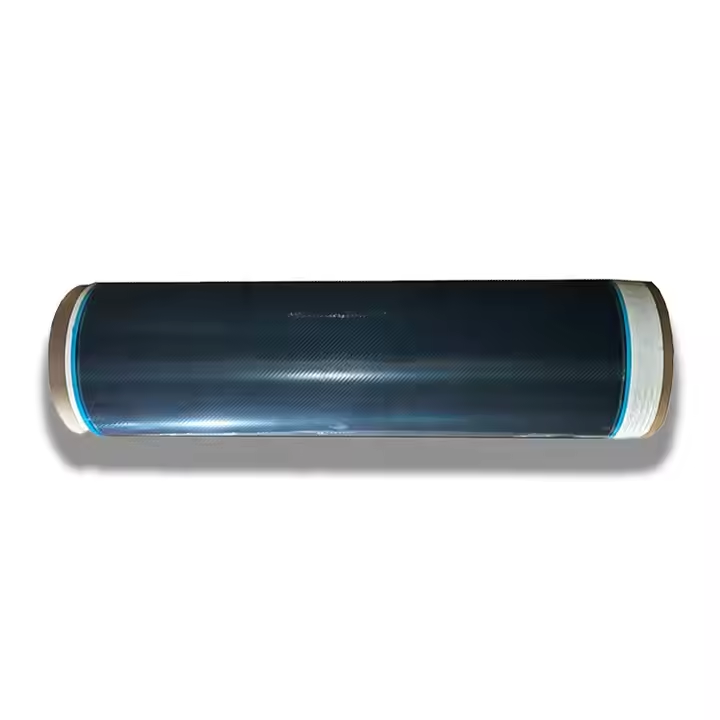
Carbon fiber fabric is typically packaged on cardboard cores with PE film wrapping, then placed in cartons on wooden pallets. Standard export packaging includes moisture barrier bags with desiccant for ocean freight. Most Chinese manufacturers offer both sea freight (20-35 days to Europe, 15-25 days to North America) and air freight options. Experienced export manufacturers like Impact Materials handle all export documentation, including commercial invoices, packing lists, certificates of origin, and material safety declarations, ensuring smooth customs clearance at destination ports. For time-critical orders, consolidated air freight from Shanghai Pudong or Hong Kong International Airport provides 3-5 day delivery to most global destinations.
More Carbon Fiber Fabric Manufacturer China Supplier Solutions
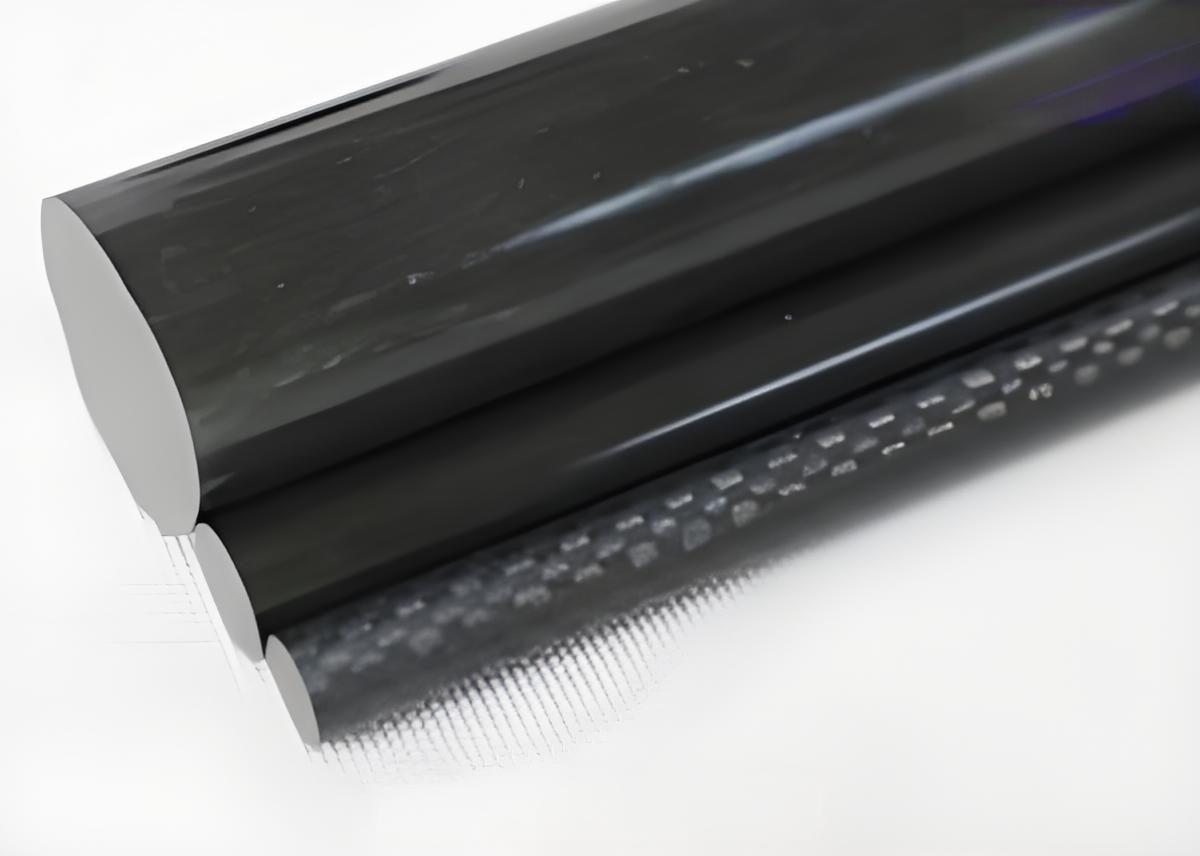
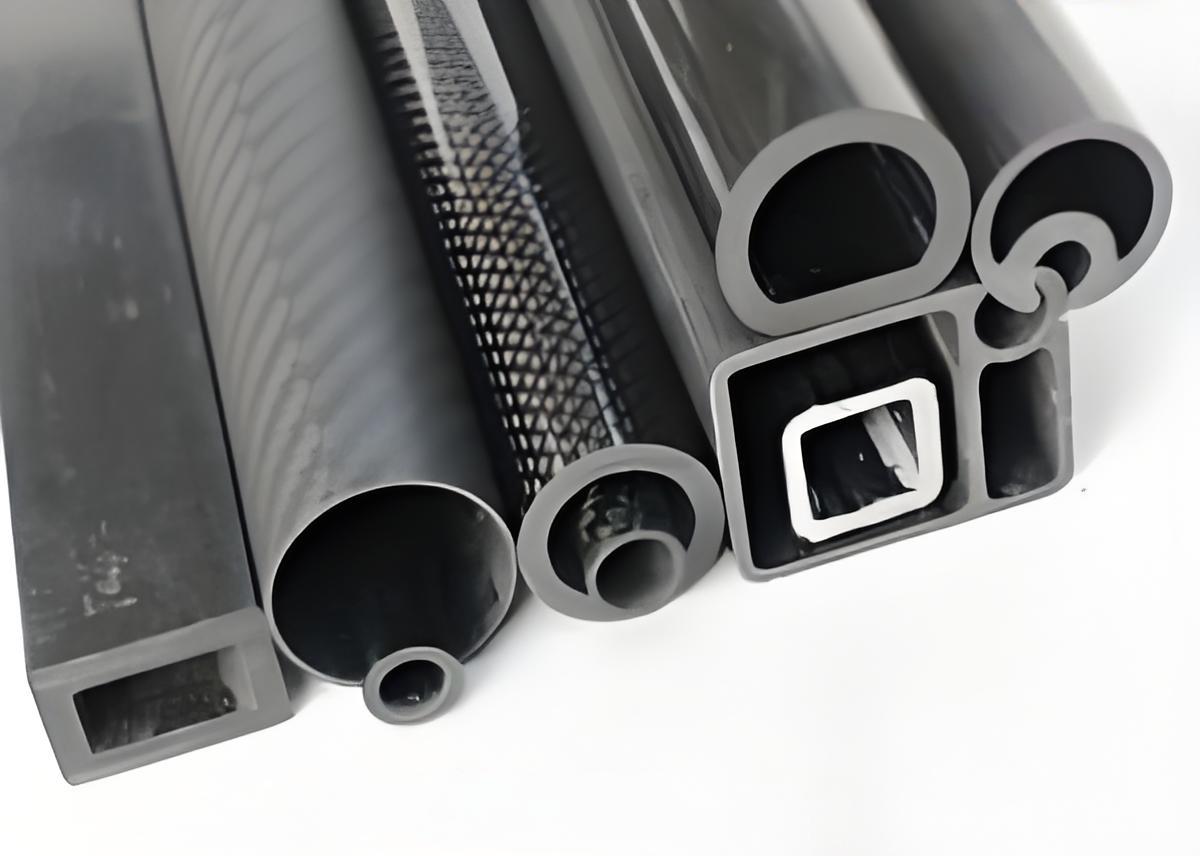
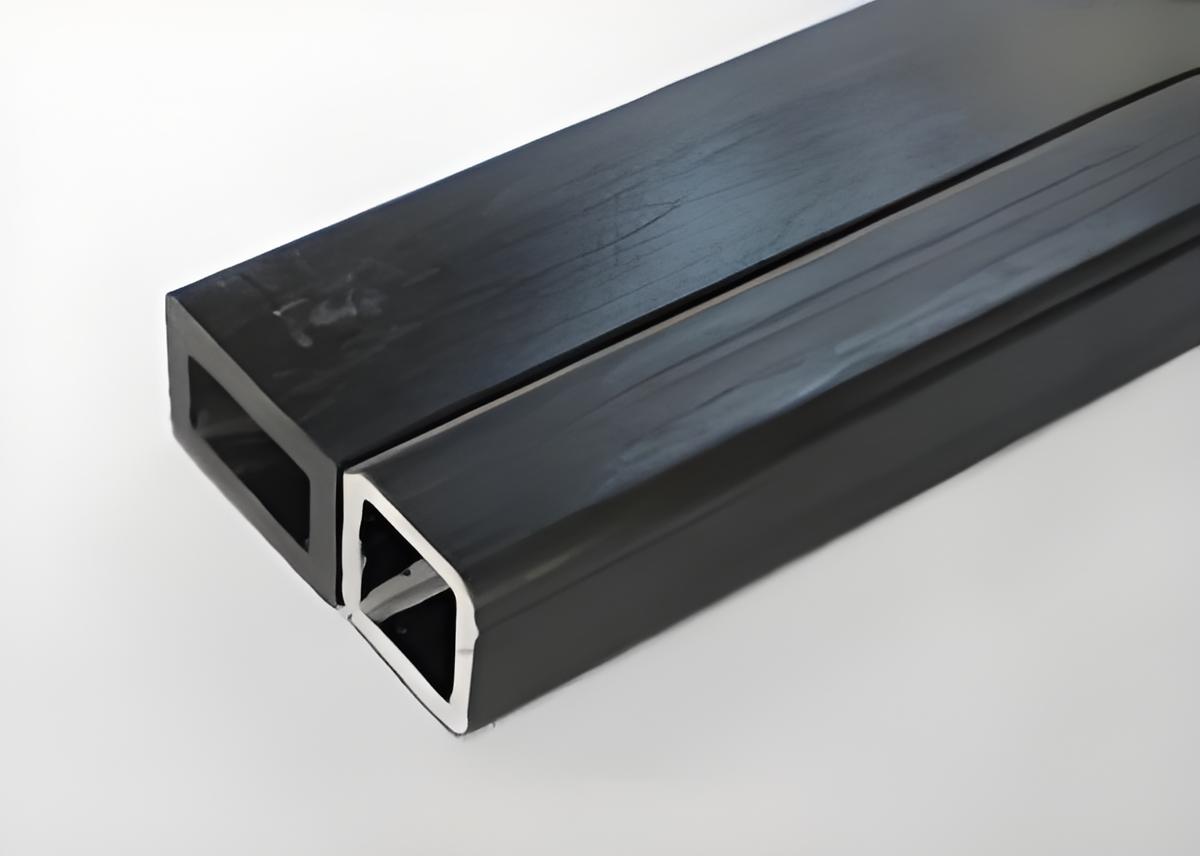
Discover additional carbon fiber fabric manufacturer China supplier options to meet your specific project requirements.
Ready to Source Quality Composite Materials?
Impact Materials serves 120+ countries with 400+ product specifications. Get your custom quote in 24 hours.
Technical Specifications: What to Evaluate
When evaluating a carbon fiber textile producer in China, procurement teams must look beyond marketing claims and focus on measurable technical parameters. The following specifications form the foundation of any meaningful supplier comparison.
Tensile Strength and Modulus
According to ASTM D3039 testing methodology, standard-grade 3K carbon fiber fabric realizes tensile strength of 3,500-4,900 MPa in the warp direction, with tensile modulus ranging from 230-250 GPa. High-strength grades (T700S equivalent) reach 4,900 MPa, while standard T300-grade materials deliver approximately 3,530 MPa. It is critical to request actual test reports rather than accepting nominal data sheets, as real-world values can vary by 5-15% depending on the specific lot, weaving tension, and surface treatment quality. Chinese mills that serve aerospace customers generally maintain in-house testing labs with calibrated universal testing machines.
Areal Weight Tolerance
Areal weight, measured in grams per square meter (gsm), is one of the most critical quality indicators for composite layup consistency. A nominal 200gsm fabric from a qualified Chinese manufacturer should maintain tolerance within +/-3% (194-206 gsm) across the full roll width. Budget suppliers may allow +/-5% or wider, which can introduce resin ratio inconsistencies in vacuum infusion or resin transfer molding processes. Per ISO 5084, testing should be conducted by cutting 100mm x 100mm specimens at multiple positions along the roll and weighing on calibrated analytical balances.
Weave Density and Fiber Crimp
Weave density, expressed as ends per inch (EPI) for warp and picks per inch (PPI) for weft, directly affects the fabric’s drape, fiber volume fraction achievable in laminates, and surface finish quality. A standard 3K 200gsm twill weave typically achieves 12-14 EPI/PPI. Excessive crimp — the undulation of fibers as they pass over and under each other — reduces effective tensile strength by 10-20% compared to unidirectional reinforcement. For structural applications where maximum fiber efficiency is required, buyers should specify maximum crimp angles and request weave density certification.
| Specification | 3K 200gsm Plain Weave | 3K 200gsm Twill Weave | 12K 400gsm Plain Weave |
|---|---|---|---|
| Tensile Strength (MPa) | 3,530-4,900 | 3,530-4,900 | 3,200-4,500 |
| Tensile Modulus (GPa) | 230-250 | 230-250 | 220-240 |
| Areal Weight Tolerance | +/-3% | +/-3% | +/-5% |
| Weave Density (EPI/PPI) | 12-14 | 12-14 | 6-8 |
| Thickness (mm) | 0.22-0.25 | 0.24-0.27 | 0.40-0.45 |
| Typical MOQ (sqm) | 50-100 | 50-100 | 100-200 |
| Lead Time (stock items) | 7-10 days | 7-10 days | 10-15 days |
| Best Applications | Flat panels, tooling | Automotive, marine, sports | Industrial, wind energy |
Featured Carbon Fiber Fabric Manufacturer China Supplier Products
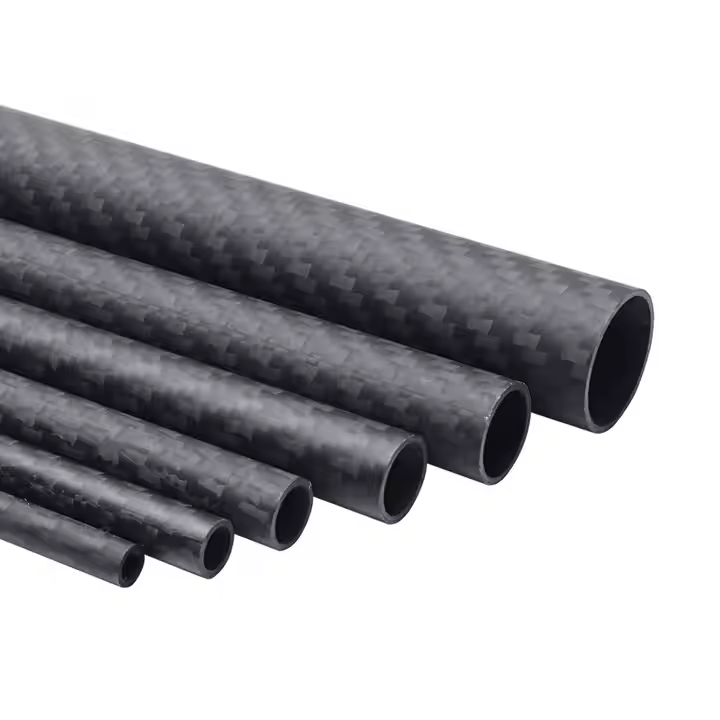
Explore our top-rated carbon fiber fabric manufacturer China supplier products from Impact Materials, trusted by manufacturers in 120+ countries.
Frequently Asked Questions
What certifications should a Chinese carbon fiber fabric manufacturer have?
At minimum, look for ISO 9001:2015 quality management certification issued by an accredited registrar. For automotive applications, IATF 16949 is expected. Aerospace buyers should require AS9100D and ideally Nadcap accreditation for composite processes. ISO 14001 environmental certification indicates a manufacturer’s commitment to sustainable production practices. Always verify certificate validity directly with the issuing body, as counterfeit certificates occasionally appear in the market.
What is the typical MOQ for carbon fiber fabric from Chinese manufacturers?
Standard specifications like 3K 200gsm plain or twill weave typically have MOQs of 50-100 square meters. Specialty items such as colored fabrics, hybrid weaves, or custom weights may require 200-500 square meters. Manufacturers with large inventory like Impact Materials can often accommodate smaller trial orders. It is worth negotiating reduced MOQs for initial evaluation orders with commitment to larger production volumes upon qualification.
How do I verify the quality of carbon fiber fabric before placing a large order?
Request production samples and conduct independent testing. Key tests include areal weight verification per ISO 5084, tensile testing per ASTM D3039, and resin compatibility assessment with your specific resin system. Inspect samples visually at 10x magnification for weave uniformity, missing yarns, and surface contamination. Request a Certificate of Analysis (COA) with each sample and cross-reference the data with your own test results. Contact our technical team at https://www.ictmaterial.com/contact/#contactgetaquote for assistance with sample evaluation and specification selection.
What is the typical lead time for carbon fiber fabric orders from China?
Stock items typically ship within 7-10 business days after order confirmation. Custom specifications or non-stock items require 15-30 business days for production, plus shipping transit time. Sea freight to European ports takes 20-35 days; to North American ports, 15-25 days. Air freight reduces total door-to-door time to 5-8 business days at significantly higher cost. Plan procurement timelines with adequate buffer for sample evaluation, qualification testing, and first-article approval before committing to production schedules.
Can Chinese manufacturers produce aerospace-grade carbon fiber fabric?
Yes, several Chinese manufacturers produce aerospace-grade carbon fiber fabrics that meet the requirements of EN 4609 and equivalent standards. These manufacturers typically hold AS9100D certification, maintain Nadcap accreditation, and provide full material traceability from precursor lot through finished fabric. However, aerospace qualification is a lengthy process that typically requires 6-12 months of material testing, process validation, and documentation review. Impact Materials has supported aerospace supply chain programs with carbon fiber reinforcement materials that meet the traceability and documentation requirements of major airframe manufacturers.
What are the payment terms when sourcing carbon fiber fabric from China?
Standard payment terms for new customers are typically 30% deposit with balance before shipment, or letter of credit (L/C) for larger orders. Established relationships may negotiate net 30 or net 60 day terms. Wire transfer (T/T) is the most common payment method. Alibaba Trade Assurance provides buyer protection for orders placed through the platform, though direct manufacturer relationships often yield better pricing and more flexible terms. Always confirm payment terms in the proforma invoice before any transfer.
[[ENDING_CTA]]
Work With a Trusted Carbon Fiber Fabric Manufacturer China Supplier Supplier
Hangzhou Impact New Materials Co., Ltd. (Impact Materials) has delivered carbon fiber fabric manufacturer China supplier solutions to clients in 120+ countries for over 20 years. Our 3,200+ successful projects and 400+ product specifications mean we have exactly what your project needs.